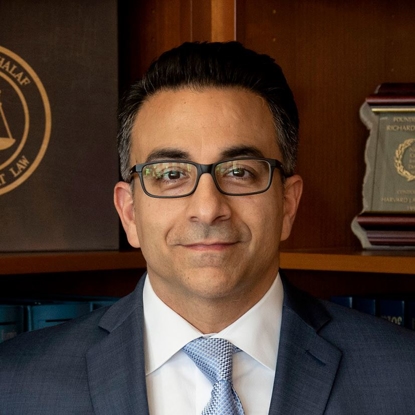
“I always advise them to immediately call Mark Khalaf.”
Several friends and relatives have been arrested for DUI, and I always advise them to immediately call Mark Khalaf. He has a track record of over 20 years of experience in Criminal Defense Law and a wealth of knowledge and experience in helping his clients navigate and represent them in court and the legal process.
My friends and relatives have told me that Mark provides in-depth explanations, keeps it real, offers realistic possible outcomes, and consistently keeps in contact.
I will continue to refer people to Mark, and I have peace of mind that I have a strong Attorney on my corner in case I ever need representation.
At Hutton & Khalaf, we understand the stress and uncertainty that come with a DUI charge. Serving Altadena and the greater Los Angeles area, our dedicated team offers over 65 years of combined legal experience. Our commitment is to provide effective and personalized defense strategies, reflecting our deep knowledge of local laws and court systems.
Our DUI attorneys in Altadena have successfully navigated numerous complex DUI cases by staying informed about the latest changes in DUI legislation and precedents. This ensures that our defense strategies are not only tailored to each client's unique circumstances but are also aligned with the dynamic legal landscape in California. By maintaining open lines of communication and providing personalized support, we give our clients the confidence to face their legal challenges head-on, knowing they're in capable hands.
Many clients facing charges in and around the Altadena area are unsure what to expect from the criminal process, from arraignment to possible trial. We guide you through each step, explaining how your case may move through local courts such as the Pasadena Courthouse and how administrative issues like DMV actions can affect your license. By walking you through timelines, potential hearing dates, and realistic options, we help you make informed decisions about your case rather than reacting in fear or confusion.
Being familiar with Altadena-specific factors can be crucial in your defense:
Strict DUI enforcement: Altadena law enforcement is known for its frequent use of DUI checkpoints. Understanding how these checkpoints must be set up and publicized under California law can be pivotal in building a defense.
Regional court dynamics: Our familiarity with local judges and prosecutors in Pasadena and Los Angeles helps in anticipating strategies and preferences, allowing us to adjust our approach accordingly.
Community perceptions: With well-documented community initiatives against drunk driving, public sentiment here leans strongly toward safety first. We use this context to thoughtfully position your defense.
Moreover, Altadena's reputation for having an active community voice in legal matters means public and community scrutiny can sometimes influence proceedings. Our awareness of these dynamics allows us to construct a defense that acknowledges and navigates community factors while focusing on working toward a favorable outcome for our clients. Recognizing the unique challenges and leveraging local insights are integral to our approach.
Because local law enforcement in Los Angeles County actively coordinates DUI patrols and sobriety checkpoints, we carefully review where and how your stop occurred, including conditions on streets like Lake Avenue or Woodbury Road. By examining whether officers complied with California standards for checkpoint notice, stop selection, and detention length, we can identify issues that may support a stronger position for your defense. This kind of detailed local review helps ensure your case is evaluated on the specific facts, not just assumptions based on the charge.
How DUI Defense Works in Altadena
Altadena, nestled in Los Angeles County, follows California's stringent DUI laws, which can involve significant penalties. Our proactive approach involves:
Understanding local legal procedures: With extensive experience in Altadena-related matters, we navigate legal processes efficiently, ensuring our strategies align with local expectations and scenarios.
Identifying defense opportunities: By examining every detail, from arrest procedures to evidence validity, we aim to uncover weak points in the prosecution's case.
Developing customized defense strategies: Tailored strategies, informed by applicable statutes and precedents, focus on minimizing potential penalties.
One particular focus in DUI defense is scrutinizing the arresting officer's conduct and the accuracy of field sobriety tests. In Altadena, where law enforcement practices are known to be rigorous, we are adept at identifying deviations from standard procedures that could benefit our client's defense. Additionally, we leverage our local knowledge to predict and prepare for prosecutorial tactics that can arise in cases from this area, giving our clients meaningful support.
We also help clients understand how a DUI charge in Altadena can move between local agencies, from the initial arrest processed through the Los Angeles County Sheriff's Department to prosecution in nearby courts. By reviewing reports, body camera footage, and any available witness information early, we can identify whether to focus on negotiation, pretrial motions, or preparing for trial. This structured review process gives you a clearer picture of potential paths forward and what to expect from your DUI defense attorney Altadena clients rely on for guidance.
Facing a DUI charge can feel overwhelming, but with the right legal partner, there’s hope. At Hutton & Khalaf, our seasoned attorneys are accessible 24/7, allowing immediate, reliable guidance when you need it most. Our free and confidential consultation is the first step toward understanding your situation and options without financial pressure. With our pledge of loyalty and skilled defense, we stand ready to fight for your rights and peace of mind. Call us at (626) 397-9700 to start securing your future today.
We believe that each client deserves personalized attention and a tailored legal strategy. By choosing Hutton & Khalaf, you're not just hiring an attorney—you’re gaining a dedicated ally in your legal journey, committed to pursuing a resolution that aligns with your best interests. Don’t let a DUI charge define your future. Contact us now to embark on a path of informed action and opportunity.
When you reach out after an arrest in or around Altadena, we start by gathering details about where you were stopped, whether you were taken to a local station or jail facility, and what testing was performed. From there, we outline immediate steps such as protecting your driving privileges, preparing for any court dates at nearby courthouses, and preserving evidence that may fade over time. This early, focused response helps you move from panic to a manageable plan, with a drunk driving attorney Altadena residents can turn to for steady, informed support.
Following a DUI arrest in Altadena, you'll likely face a hearing in either Pasadena’s or Los Angeles’ local courts. It’s essential to act quickly, as California law only provides 10 days to request a DMV hearing, which can affect your driving privileges. Knowledge of local procedures allows us to handle these initial steps efficiently, helping you avoid missing crucial deadlines.
Initiating your defense promptly is crucial. At Hutton & Khalaf, we are committed to providing immediate assistance to help you understand the nuances of your case. Our process begins with a thorough investigation of the arrest circumstances, seeking any procedural errors that might contribute to a robust defense. By collaborating closely with you, we craft a defense strategy that not only aims to protect your rights but also seeks to mitigate potential penalties.
We also discuss how your case could impact everyday issues such as driving to work in Los Angeles County, professional licensing, or background checks for future employment. By reviewing your goals and concerns at the outset, we can prioritize options such as challenging the stop, negotiating with prosecutors at the Pasadena Courthouse, or preparing for a contested hearing. This careful planning helps you understand what a DUI defense lawyer Altadena clients work with is actually doing behind the scenes on your behalf.
To stay organized after an arrest, it can help to focus on a few immediate steps:
Gather key documents such as your citation, any release paperwork, and proof of insurance so your attorney can review them early.
Write down details about the stop, including locations, times, and anything you remember about field tests or statements made.
Track important dates like the 10-day DMV deadline and any court notices you receive to share with your legal team.
Avoid discussing the incident on social media or with anyone other than your attorney to help protect your case.
How Can I Challenge a Breathalyzer Test?
While challenging a breathalyzer might seem daunting, several factors can be questioned, such as calibration of the device, officer training, or health conditions affecting results. Our thorough knowledge of these devices' legal handling in Altadena’s jurisdiction helps us scrutinize the validity of these tests effectively.
In Altadena, specific procedural guidelines govern the administration and maintenance of breathalyzer devices. Our legal team is well-versed in these regulations and is skilled at identifying discrepancies that could question the reliability of a breathalyzer test. Additionally, we assess the overall context of your arrest, factoring in environmental variables and potential physiological conditions that could have influenced test results unjustly.
We may also consult technical manuals, training records, and, when appropriate, independent forensic or medical professionals to evaluate whether your results are consistent with proper testing. By comparing your reported behavior, any video evidence, and the timing of each test, we can often identify issues that merit further challenge in court or during negotiations. This methodical review is a key part of how a DUI lawyer Altadena residents hire can seek to limit the impact of questionable test results.
Common issues we look for when reviewing breathalyzer evidence include:
Improper device maintenance or a lack of recent calibration records could affect accuracy.
Deviations from protocol in how long the officer observed you before testing or how many samples were taken.
Medical or dietary factors, such as reflux or certain conditions, can influence breath readings.
Environmental conditions like residual mouth alcohol or substances in the testing area may interfere with results.
What Penalties Am I Facing for a First-Time DUI?
A first-time DUI in Altadena can lead to fines, license suspension, or even jail time. However, penalties vary based on blood alcohol concentration (BAC) levels and case specifics. Our goal is to minimize these penalties by exploring every legal avenue available under California law.
Beyond immediate legal penalties, a DUI conviction can have longer-term consequences, including increased insurance premiums and potential job impacts. We focus not only on addressing the immediate legal challenges but also on advising clients about strategies to mitigate longer-term impacts. By engaging proactively with educational and rehabilitative programs, clients may demonstrate responsibility and goodwill, potentially influencing case outcomes positively.
We also help you understand how court-ordered programs, community service, or ignition interlock requirements may fit into your daily life in and around Altadena. By explaining options like requesting a restricted license through the DMV or selecting approved programs close to where you live or work, we aim to make any consequences more manageable. Having this clarity from a DUI defense attorney that Altadena drivers can rely on often reduces anxiety about the road ahead.
Some of the potential consequences that may arise in a first-time DUI case include:
Court-imposed fines and assessments can vary based on the circumstances of your arrest.
Driver’s license consequences, such as suspension or restrictions, are handled through the DMV and the court.
Mandatory education programs or counseling must be completed to regain or maintain driving privileges.
Possible jail time or alternative sentencing options, depending on your record and the details of the case.
Can I Get My DUI Dropped to a Lesser Charge?
Reducing a DUI charge often involves negotiations based on evidentiary weaknesses or by highlighting personal circumstances. Our attorneys, recognized by Altadena clients for adept negotiation skills, strive to achieve reductions whenever possible, looking at factors unique to your case for plea bargain opportunities.
To bolster our negotiation stance, we may introduce character references and compile comprehensive personal profiles that highlight responsible behaviors and contributions to the community. This strategy not only supports our negotiation objectives but also aligns with our philosophy of humanizing every case, ensuring that the court sees you beyond your charges.
We also evaluate whether alternative resolutions, such as diversion-type options where available or amended charges, might better reflect the facts of your case while limiting long-term damage. By presenting a well-documented picture of your work history, family responsibilities, and community ties in Altadena or neighboring cities, we work to make any proposed outcome as fair and constructive as possible. This approach reflects how a drunk driving lawyer that Altadena motorists choose looks beyond the police report to advocate for the whole person.
When assessing whether a reduction might be possible, we often review:
The strength of the evidence includes test results, officer observations, and any video recordings.
Your personal background, such as prior record, community involvement, and employment history.
Mitigating steps were taken, such as voluntary treatment, counseling, or educational programs, which were completed after the arrest.
Practical impacts a conviction may have on professional licenses, immigration status, or other critical areas of your life.
Do I Need to Attend All Court Hearings?
While some court appearances are mandatory, our attorneys frequently appear on behalf of clients, allowing them to carry on with their daily lives. It’s a part of our commitment to offering accessible, stress-relieving legal support through comprehensive representation in the Altadena court system.
We understand that unexpected scheduling conflicts or professional commitments may arise, and our attorneys are prepared to address such issues promptly. Part of our service includes providing detailed briefs after court proceedings, ensuring you're always informed and engaged in your case's progress. This ongoing communication is integral to maintaining transparency and peace of mind as we navigate the legal system on your behalf.
In many misdemeanor DUI cases handled in nearby Pasadena or Los Angeles County courts, we can attend routine hearings for you, so you spend less time waiting in crowded courtrooms and more time on your work and family obligations. We explain clearly which appearances require you to be there and which ones we can handle alone, and we prepare you thoroughly when your presence is needed. This level of guidance is one reason many people look for a drunk driving attorney Altadena residents trust to manage the details of the process.
To understand your role in the court process, it is helpful to keep in mind:
Some hearings are mandatory and will require your presence, particularly if testimony or plea decisions are involved.
Other appearances can be handled by your attorney alone, saving you time away from work and family.
Clear communication before each date ensures you know what to expect, what to wear, and how long proceedings may last.
Written summaries after hearings help you stay informed about what happened and what the next steps will be.
What To Look For in an Altadena DUI Lawyer
Choosing the right legal representation after a DUI arrest can feel overwhelming, especially if you have never been involved with the criminal court system before. You may be comparing online reviews, asking friends for referrals, or trying to understand the differences between individual attorneys and larger firms. Focusing on a few key factors can help you decide who is best equipped to guide you through local procedures in and around Altadena and Los Angeles County.
Experience in the local courts is essential because DUI cases from Altadena are often heard in nearby Pasadena or Los Angeles courthouses, each have their own practices and expectations. You will want a firm that takes time to explain how prior cases similar to yours have moved through these courts, without promising a particular result in your situation. It is also important to look for clear communication about fees, anticipated steps in your case, and how often you can expect updates, so you know what support will look like day to day.
When comparing potential attorneys, consider these practical questions:
How often do they handle DUI and drunk driving cases arising out of Altadena or nearby communities?
Will you have direct access to the attorney handling your file if questions come up about court dates or DMV deadlines?
Do they explain how they investigate arrests, evaluate breath or blood tests, and prepare for possible negotiations or trial?
Can they describe their familiarity with local institutions, such as the Pasadena Courthouse and California DMV hearing offices, in a way that makes you feel more informed?
By asking these kinds of questions during a consultation, you can better assess whether the DUI defense lawyer Altadena residents are considering is a good fit for your needs and expectations. The goal is to find representation that not only understands California DUI law but also respects your concerns, respects your time, and communicates in a way that helps you stay involved in important decisions about your case.